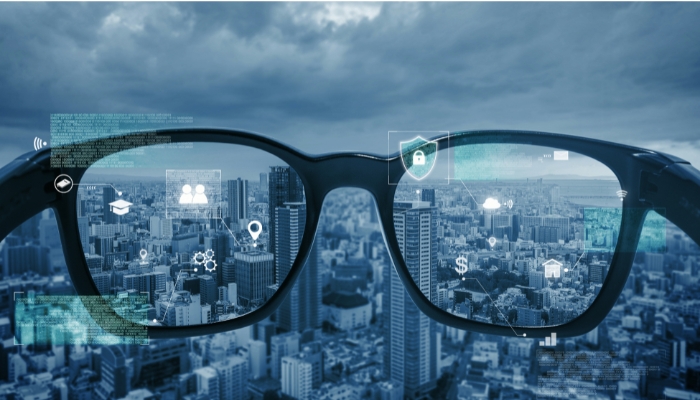






Technology is becoming smaller, smarter, and more integrated into our everyday lives. One of the most interesting developments in consumer electronics is the rise of smart glasses. These wearable devices combine the familiar design of traditional eyewear with digital features that can help users communicate, capture photos, listen to audio, and access information.
Unlike smartphones, which require users to look down at a screen, smart glasses aim to make certain digital experiences more natural and hands-free.
As wearable technology continues to evolve in 2026, smart glasses are attracting attention from technology enthusiasts, professionals, and everyday consumers. But how do these devices work, and are they worth considering?
In this article, we explore the features, advantages, limitations, and future potential of smart glasses.
What Are Smart Glasses?
Smart glasses are wearable electronic devices designed to look similar to ordinary glasses while offering additional technological features.
Depending on the model, they may include cameras, microphones, speakers, wireless connectivity, voice controls, or small displays. Some models focus on audio and photography, while others use augmented reality to display digital information within the user’s field of view.
Smart glasses can connect to smartphones and compatible applications to provide notifications, navigation assistance, communication tools, and other useful functions.
The technology varies significantly between products, so not every pair of smart glasses offers the same capabilities.
Key Features of Smart Glasses in 2026
1. Hands-Free Communication
One of the main advantages of smart glasses is the ability to make calls or interact with compatible voice assistants without constantly holding a smartphone.
Built-in microphones and speakers can make communication more convenient while walking, working, or performing other everyday activities.
2. Built-In Cameras
Some smart glasses include small cameras that allow users to capture photos and videos from a first-person perspective.
This feature can be useful for documenting travel experiences, recording demonstrations, or capturing moments when using a phone would be inconvenient.
However, users should always respect other people’s privacy and follow local recording laws.
3. Augmented Reality Experiences
Certain smart glasses use augmented reality (AR) to combine digital information with the physical environment.
Depending on the device, users may be able to view navigation directions, contextual information, or virtual objects without relying entirely on a conventional screen.
Although advanced AR capabilities remain limited to particular products, this technology could change how people interact with digital information.
4. Voice Control and Smart Connectivity
Voice control allows users to access supported functions through spoken commands.
Smart glasses may also connect to smartphones, wireless networks, and companion applications to synchronize information and enable additional features.
These capabilities can reduce the need to reach for a phone during simple tasks.
The Benefits of Smart Glasses
Smart glasses offer several potential advantages for modern consumers.
Convenience: Users can access certain digital features without constantly checking their smartphones.
Productivity: Hands-free communication and information access may help professionals complete specific tasks more efficiently.
Travel assistance: Compatible devices may provide directions, translation features, or contextual information while exploring unfamiliar places.
Accessibility: Some wearable devices can support people with particular accessibility needs through audio feedback, visual assistance, or compatible applications.
Entertainment: Audio playback, photography, and immersive digital experiences can make wearable devices useful for leisure activities.
The practical value of these benefits depends on the device, its software, battery life, and the user’s needs.
Smart Glasses vs. Smartphones
Smart glasses and smartphones serve different purposes, even when their features overlap.
Smartphones remain more versatile for activities such as typing, editing documents, browsing websites, and using applications that require a large display.
Smart glasses are designed for quick interactions, hands-free access, and situations where carrying or looking at a phone is inconvenient.
Rather than completely replacing smartphones, smart glasses are more likely to complement them in the near future.
For most consumers, the best choice depends on whether wearable convenience is worth the additional cost and the limitations of a smaller device.
Privacy and Security Concerns
Despite their benefits, smart glasses introduce important privacy questions.
Devices equipped with cameras and microphones may capture information about people and places in the surrounding environment. Others may feel uncomfortable when they are unsure whether they are being recorded.
Data security is another consideration. Connected wearable devices may collect personal information or rely on cloud services to provide certain features.
Before buying smart glasses, consumers should review the manufacturer’s privacy policy, available recording indicators, data storage options, and security settings.
Responsible use also means asking permission before recording people in situations where privacy is expected.
How to Choose the Right Smart Glasses
If you are considering purchasing smart glasses, evaluate the following factors before making a decision.
- Battery life: Check how long the device lasts under realistic everyday use.
- Comfort: Consider weight, frame design, fit, and suitability for extended wear.
- Compatibility: Make sure the glasses work with your smartphone and preferred applications.
- Camera and audio quality: Compare these features if photography or communication is important to you.
- Display technology: If you need augmented reality, confirm that the specific model includes an actual display.
- Privacy controls: Look for clear recording indicators and transparent data policies.
- Price: Compare the features you will actually use with the total cost.
Reading independent reviews and checking current specifications can help you avoid paying for features you do not need.
The Future of Wearable Technology
The future of smart glasses will depend on improvements in battery efficiency, lightweight materials, display technology, connectivity, and software design.
Manufacturers may continue working toward devices that offer more useful information while remaining comfortable enough for everyday wear.
Potential applications include workplace assistance, navigation, remote collaboration, education, and accessibility services.
However, widespread adoption will also depend on affordability, reliability, privacy protections, and whether these devices offer clear advantages over smartphones.
Smart glasses may not replace traditional eyewear or smartphones anytime soon, but they represent an important direction in the development of wearable technology.
Conclusion
Smart glasses are an exciting example of how technology is moving beyond traditional screens and becoming part of everyday accessories.
With features such as hands-free communication, built-in cameras, voice controls, and, in some models, augmented reality displays, these devices offer new ways to interact with digital information.
Nevertheless, battery life, comfort, price, compatibility, and privacy remain important factors to consider.
As wearable technology develops, smart glasses could become increasingly useful for communication, travel, work, and accessibility. For consumers, understanding the differences between available devices is the best way to decide whether this technology fits their lifestyle.
Frequently Asked Questions
What are smart glasses used for?
Smart glasses can be used for hands-free calls, audio playback, photography, notifications, navigation, and augmented reality, depending on the model.
Are smart glasses worth buying in 2026?
They may be worth buying if you value hands-free convenience and will regularly use their features. Check current specifications and independent reviews before purchasing.
Can smart glasses replace smartphones?
Most smart glasses cannot replace smartphones entirely because they offer more limited displays, input methods, and application capabilities.
Do all smart glasses have augmented reality displays?
No. Some models focus on audio, cameras, and connectivity without displaying digital information in front of the user’s eyes.
Are smart glasses safe for privacy?
They can be used responsibly, but camera and microphone features raise privacy concerns. Users should understand the device’s recording indicators, permissions, and data policies before use.