





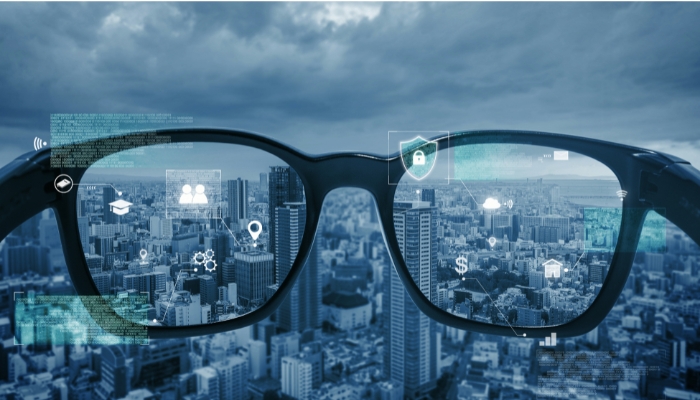
For more than a decade, smartphones have been the center of our digital lives. We use them for communication, navigation, entertainment, shopping, and work. However, as technology continues to evolve, a new device is gaining attention: smart glasses.
Many technology experts believe that smart glasses could become the next major computing platform. But can they really replace smartphones? Let’s explore the possibilities.
What Are Smart Glasses?
Smart glasses are wearable devices that combine traditional eyewear with advanced digital technology.
Depending on the model, smart glasses can:
- Display digital information
- Take photos and videos
- Provide navigation assistance
- Play audio
- Connect to the internet
- Support augmented reality (AR)
The goal is to provide information directly within a user’s field of vision without constantly checking a phone.
Why Are Smart Glasses Becoming Popular?
Several factors are driving interest in smart glasses.
Hands-Free Convenience
One of the biggest advantages is convenience.
Instead of holding a smartphone, users can access information while:
- Walking
- Driving
- Exercising
- Working
This allows people to stay connected without constantly looking down at a screen.
Advances in Augmented Reality
Modern smart glasses increasingly use Augmented Reality (AR).
AR overlays digital information onto the real world.
Examples include:
- Navigation directions appearing in front of your eyes
- Real-time translations
- Interactive shopping experiences
- Educational visual guides
AR has the potential to transform how people interact with information.
Improved Technology
Early smart glasses were often bulky and expensive.
Today’s models are becoming:
- Lighter
- More stylish
- More powerful
- More energy efficient
As technology improves, smart glasses become more practical for everyday use.
Potential Benefits Over Smartphones
Faster Access to Information
Users can view information instantly without unlocking a device.
Better Multitasking
Smart glasses allow people to remain aware of their surroundings while accessing digital content.
Enhanced Navigation
Directions can appear directly in a user’s field of view, making navigation easier and safer.
Improved Accessibility
Smart glasses may help individuals with visual, hearing, or cognitive challenges by providing real-time assistance.
Challenges That Still Exist
Despite their potential, smart glasses face several obstacles.
Battery Life
Advanced features require significant power, making battery performance a challenge.
Privacy Concerns
Built-in cameras and sensors raise concerns about privacy and data collection.
Cost
Many advanced smart glasses remain expensive compared to smartphones.
Limited Applications
Although the ecosystem is growing, smartphones still offer a much wider range of applications and services.
Will Smart Glasses Replace Smartphones?
At least in the near future, complete replacement seems unlikely.
Instead, smart glasses may initially work alongside smartphones.
Many experts predict a gradual transition where:
- Smartphones handle complex tasks
- Smart glasses provide quick access to information
Over time, improvements in hardware, software, and battery technology could make smart glasses more independent.
What Could the Future Look Like?
Future smart glasses may offer:
- Real-time language translation
- Advanced AR experiences
- Virtual workspaces
- Health monitoring features
- AI-powered personal assistants
These innovations could change how people communicate, work, and access information.
Final Thoughts
Smart glasses represent one of the most exciting developments in modern technology. While they are unlikely to replace smartphones completely in the immediate future, they have the potential to transform how we interact with digital information.
As augmented reality, artificial intelligence, and wearable technology continue to improve, smart glasses may become an essential part of everyday life. The question is no longer whether smart glasses will become more important—but how quickly they will evolve.