




The internet has evolved dramatically over the past few decades. From simple websites to social media platforms and online marketplaces, technology continues to reshape how we communicate, work, and interact. Recently, a new term has gained significant attention in the technology and cryptocurrency world: Web3.
But what exactly is Web3, and why are so many people talking about it? In this article, we’ll explore the basics of Web3, how it differs from previous versions of the internet, and its potential impact on the future of the digital world.
Understanding the Evolution of the Internet
To understand Web3, it’s helpful to look at how the internet has evolved over time.
Web1: The Read-Only Internet
The first generation of the internet, often called Web1, existed mainly during the 1990s and early 2000s.
Characteristics of Web1:
- Static websites
- Limited user interaction
- Information was mostly read-only
- Few opportunities for user-generated content
Users could consume information but had very little ability to participate.
Web2: The Social Internet
The second generation, Web2, transformed the internet into a highly interactive space.
Features of Web2:
- Social media platforms
- User-generated content
- Online shopping
- Mobile applications
- Cloud-based services
Today, most internet services belong to Web2. While Web2 made communication easier, it also concentrated large amounts of data and power in the hands of major technology companies.
Web3: The Decentralized Internet
Web3 aims to create a more decentralized internet where users have greater control over their data, digital assets, and online identity.
Core principles of Web3 include:
- Decentralization
- User ownership
- Blockchain technology
- Transparency
- Reduced reliance on intermediaries
Instead of large corporations controlling platforms and user data, Web3 seeks to distribute control across networks.
How Does Web3 Work?
Web3 is powered primarily by blockchain technology.
A blockchain is a digital ledger that records transactions securely and transparently across a network of computers.
This allows Web3 applications to operate without relying on a single central authority.
Key technologies behind Web3 include:
Blockchain
Provides transparency and security.
Smart Contracts
Self-executing agreements that automatically perform actions when conditions are met.
Cryptocurrencies
Digital assets used for transactions and incentives within Web3 ecosystems.
Decentralized Applications (DApps)
Applications that run on blockchain networks instead of centralized servers.
Benefits of Web3
1. Greater User Control
One of Web3’s biggest promises is giving users ownership of their data.
Instead of companies controlling personal information, users can decide how their data is used and shared.
2. Improved Privacy
Many Web3 systems are designed to reduce unnecessary data collection.
This can help users maintain greater privacy while interacting online.
3. Reduced Dependence on Large Platforms
Web3 reduces reliance on centralized organizations.
This means services can continue operating even if a single company experiences problems.
4. Digital Ownership
Web3 allows users to truly own digital assets.
Examples include:
- Cryptocurrencies
- NFTs
- Digital collectibles
- Virtual land
Ownership is recorded on a blockchain rather than controlled by a company.
5. New Economic Opportunities
Web3 creates new ways for people to earn income online.
Examples include:
- Play-to-earn gaming
- Decentralized finance (DeFi)
- Content creation rewards
- Community-driven projects
These opportunities allow users to participate directly in digital economies.
Real-World Examples of Web3
Web3 is already being used in several industries.
Decentralized Finance (DeFi)
DeFi platforms offer financial services without traditional banks.
Users can:
- Lend assets
- Borrow funds
- Earn interest
- Trade cryptocurrencies
Blockchain Gaming
Some games allow players to own in-game items and trade them freely.
This creates real value for digital assets.
NFT Marketplaces
NFTs enable ownership of digital art, music, collectibles, and other digital content.
Decentralized Social Networks
New platforms are emerging that aim to give users more control over their content and audience.
Challenges Facing Web3
Despite its potential, Web3 still faces several challenges.
Complexity
Many Web3 tools can be difficult for beginners to understand.
Security Risks
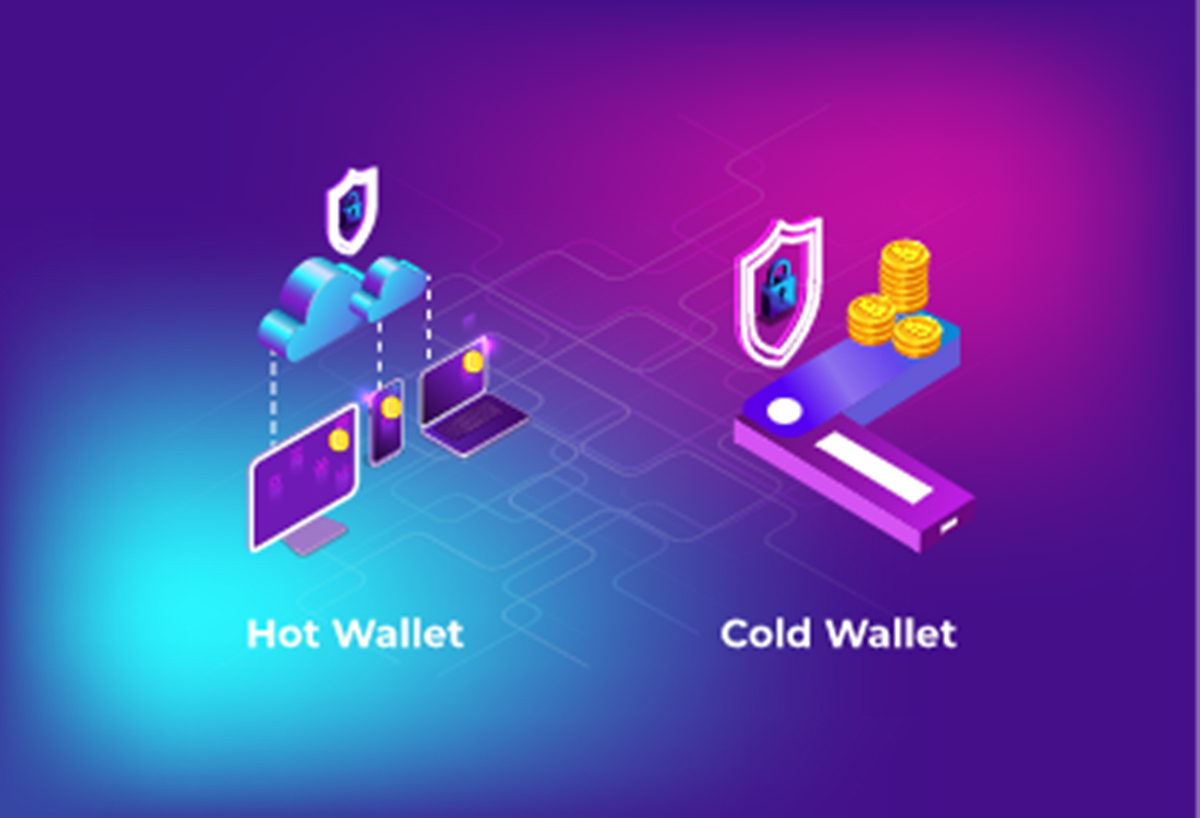
Users must manage private keys and wallets carefully.
Mistakes can lead to permanent loss of assets.
Regulation
Governments around the world are still developing regulations for blockchain and cryptocurrency technologies.
Scalability
Some blockchain networks struggle to process large numbers of transactions efficiently.
Developers continue working on solutions to improve performance.
Is Web3 the Future of the Internet?
Many experts believe Web3 could become an important part of the internet’s future.
However, it is unlikely to replace Web2 completely in the near term.
Instead, we may see a hybrid internet where centralized and decentralized systems coexist.
As technology matures, Web3 could offer:
- More digital ownership
- Greater privacy
- New economic opportunities
- Increased user control
The pace of adoption will depend on technological improvements, regulations, and user education.
Final Thoughts
Web3 represents a new vision for the internet—one where users have greater control over their data, assets, and online experiences. Built on blockchain technology, Web3 aims to create a more transparent, decentralized, and user-focused digital world.
Although challenges remain, Web3 continues to attract developers, investors, businesses, and everyday users who believe in a more open internet. Understanding the basics of Web3 today can help you better prepare for the next generation of digital innovation.