





Cryptocurrency has become increasingly popular over the past decade, attracting investors, traders, and technology enthusiasts worldwide. However, one of the most important aspects of owning cryptocurrency is knowing how to store it securely. This is where crypto wallets come into play.
If you’re new to cryptocurrency, you’ve probably heard terms like hot wallet and cold wallet. Understanding the difference between these two types of wallets is essential for protecting your digital assets.
In this article, we’ll explain what crypto wallets are, how they work, and the key differences between hot wallets and cold wallets.
What Is a Crypto Wallet?
A crypto wallet is a tool that allows users to store, manage, and access their cryptocurrencies.
Contrary to popular belief, crypto wallets do not actually store coins. Instead, they store the private keys that give you access to your cryptocurrency on the blockchain.
Think of a wallet as a digital keychain that allows you to send, receive, and manage your crypto assets.
Why Are Crypto Wallets Important?
Without a wallet, you cannot access or control your cryptocurrency.
Crypto wallets help users:
- Store digital assets securely
- Send and receive cryptocurrencies
- Verify ownership of funds
- Interact with blockchain applications
Choosing the right wallet is one of the most important decisions for any crypto user.
What Is a Hot Wallet?
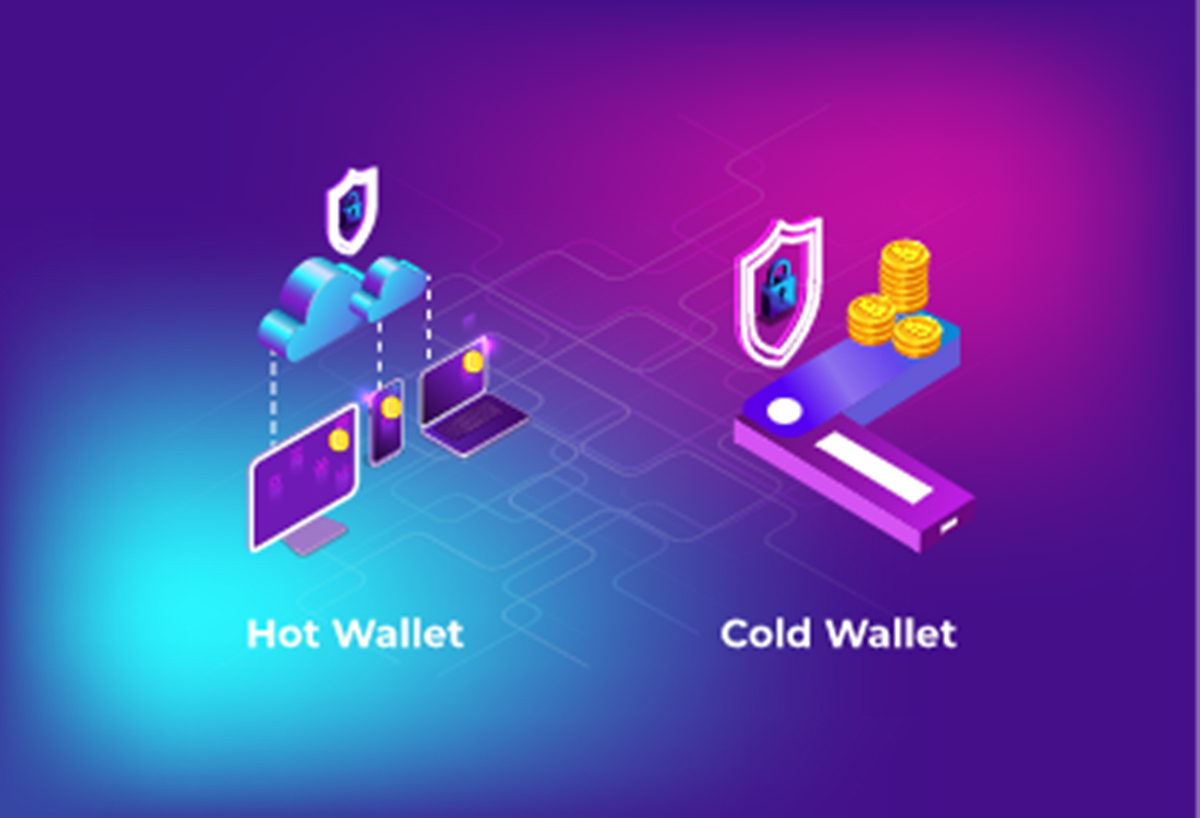
A hot wallet is a cryptocurrency wallet that remains connected to the internet.
Because it is always online, a hot wallet allows quick and easy access to your funds.
Common Types of Hot Wallets
- Mobile wallets
- Desktop wallets
- Browser extension wallets
- Exchange wallets
These wallets are popular because they are convenient and user-friendly.
Advantages of Hot Wallets
Easy Access
Users can access their crypto anytime and anywhere.
Fast Transactions
Hot wallets are ideal for frequent trading and everyday transactions.
User-Friendly
Most hot wallets are designed for beginners and offer simple interfaces.
Free or Low Cost
Many hot wallets are available at no cost.
Disadvantages of Hot Wallets
Higher Security Risks
Since hot wallets are connected to the internet, they are more vulnerable to:
- Hacking attempts
- Malware
- Phishing attacks
Dependence on Device Security
If your computer or smartphone becomes compromised, your wallet may be at risk.
What Is a Cold Wallet?
A cold wallet is a cryptocurrency wallet that remains offline and disconnected from the internet.
Because it is not constantly connected, it provides a much higher level of security.
Common Types of Cold Wallets
- Hardware wallets
- Paper wallets
- Offline storage solutions
Cold wallets are often used for long-term storage.
Advantages of Cold Wallets
Enhanced Security
Offline storage significantly reduces the risk of cyberattacks.
Better Protection Against Hacking
Since the wallet is not connected to the internet, hackers have fewer opportunities to access it.
Ideal for Long-Term Investors
Cold wallets are commonly used by people who plan to hold cryptocurrency for months or years.
Disadvantages of Cold Wallets
Less Convenient
Accessing funds may take longer compared to hot wallets.
Potential Physical Loss
If a hardware wallet is lost or damaged and recovery information is unavailable, funds could become inaccessible.
Initial Cost
Hardware wallets often require a purchase.
Hot Wallet vs Cold Wallet: Key Differences
| Feature | Hot Wallet | Cold Wallet |
|---|---|---|
| Internet Connection | Always Online | Offline |
| Security | Moderate | High |
| Convenience | Very High | Lower |
| Transaction Speed | Fast | Slower |
| Best For | Daily Use | Long-Term Storage |
| Cost | Usually Free | Often Paid |
Which Wallet Should You Choose?
The best choice depends on your needs.
Choose a Hot Wallet If:
- You trade frequently
- You use crypto for daily transactions
- You need quick access to funds
Choose a Cold Wallet If:
- You hold large amounts of cryptocurrency
- You prioritize security
- You plan to invest long-term
Many experienced crypto users use both types of wallets.
For example:
- A hot wallet for daily spending and trading
- A cold wallet for long-term savings
This approach balances convenience and security.
Security Tips for Any Crypto Wallet
Regardless of the wallet type, follow these best practices:
- Never share your private keys
- Store recovery phrases securely
- Enable two-factor authentication (2FA)
- Keep software updated
- Beware of phishing websites and scams
- Verify wallet addresses before sending funds
Good security habits are essential in the cryptocurrency world.
Final Thoughts
Crypto wallets are a fundamental part of managing digital assets. Understanding the difference between hot wallets and cold wallets can help you make smarter decisions and better protect your investments.
Hot wallets offer convenience and accessibility, while cold wallets provide stronger security for long-term storage. For many users, combining both options is the most effective strategy.
As cryptocurrency adoption continues to grow, learning how to store your assets safely is just as important as choosing which coins to buy.