





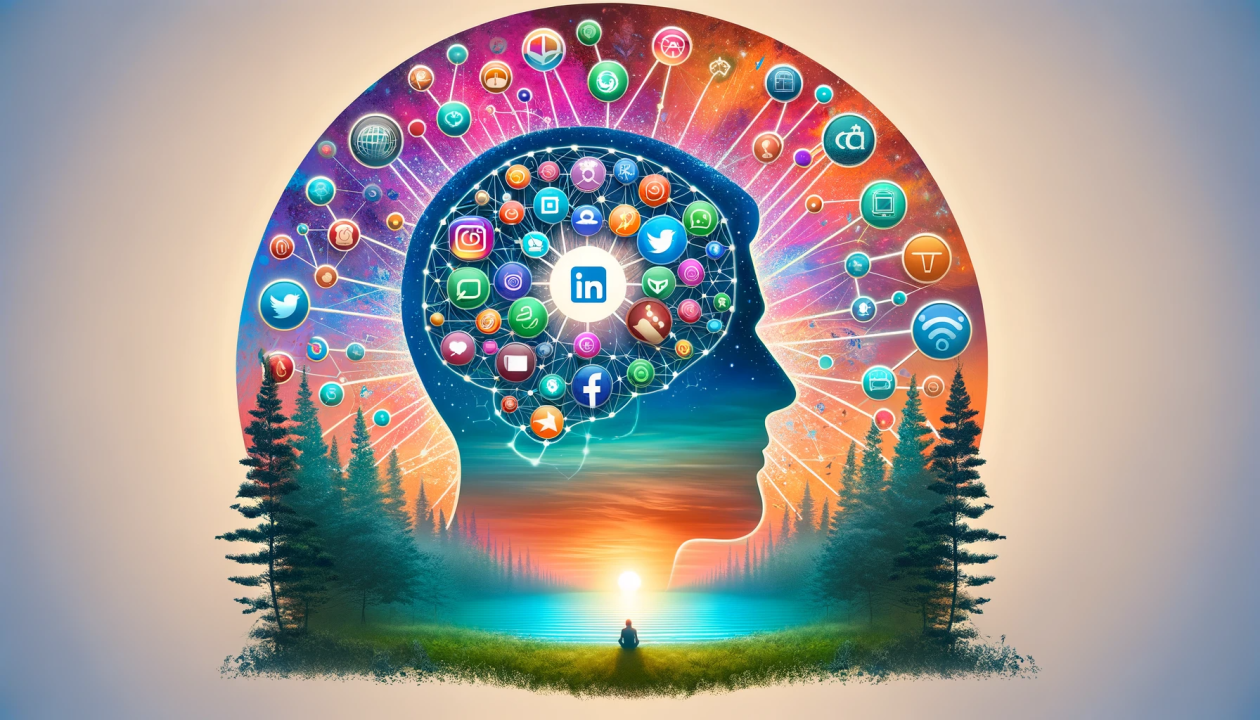
Social media has become deeply woven into modern life. In 2025, people spend more time online than ever before—sharing updates, consuming content, building communities, and even working through digital platforms. While social media brings opportunities for connection and creativity, it also influences mental health in complex ways. Understanding this balance is essential for maintaining emotional well-being in the digital age.
1. The Emotional Effects of Constant Connectivity
Being connected 24/7 affects the brain more than many realize. Notifications, messages, and constant updates create a cycle of attention shifts that can lead to increased stress and mental fatigue.
Common emotional effects include:
-
Feeling overwhelmed by constant information
-
Increased anxiety from rapid communication
-
Difficulty relaxing due to digital pressure
-
Reduced ability to focus for long periods
The brain is not designed for endless stimulation, and social media often pushes those limits.
2. Comparison Culture and Self-Esteem Issues
One of the biggest challenges in 2025 is the “comparison trap.” Social media shows idealized moments—perfect photos, achievements, lifestyles—and makes users feel that everyone else’s life is better.
This often leads to:
-
Lower self-confidence
-
Unrealistic expectations
-
Feeling “behind” in life
-
Body image pressures
Even though people know online content is filtered and curated, emotionally it still affects self-worth.
3. Positive Social Support and Community Building
Despite the challenges, social media can also improve mental health when used intentionally. Many people find support, encouragement, and friendship online.
Positive impacts include:
-
Access to mental health communities
-
Peer support groups
-
Motivational and educational content
-
Safe spaces for self-expression
For individuals who feel isolated in real life, online communities can become valuable emotional resources.
4. The Rise of Digital Burnout
Digital burnout is becoming more common in 2025. It happens when users feel mentally exhausted from too much screen time, content consumption, or emotional engagement online.
Signs of digital burnout:
-
Loss of interest in online activities
-
Feeling drained after scrolling
-
Increased irritability
-
Difficulty disconnecting
Burnout affects both personal and professional life, making digital balance more important than ever.
5. How Algorithms Affect Mental Well-Being
Social media platforms use powerful algorithms that prioritize emotional engagement. Unfortunately, this often means pushing content that triggers strong reactions—such as fear, anger, or envy—because it keeps people active longer.
This can lead to:
-
Higher stress levels
-
Emotional sensitivity
-
Exposure to negative or polarizing content
-
Addictive scrolling patterns
Understanding how algorithms work helps users protect their mental health by adjusting their online environment.
6. Healthy Digital Habits for 2025
Maintaining mental well-being requires intentional habits. Small changes can greatly improve the way people experience social media.
Effective strategies include:
-
Limiting screen time, especially before bed
-
Curating your feed to include positive content
-
Unfollowing toxic or stressful accounts
-
Setting “digital-free” hours during the day
-
Using mental health apps to track online behavior
Being mindful about usage transforms social media from a stress source into a healthier space.
7. Encouraging a Balanced Relationship With Technology
The key to digital wellness in 2025 is balance. Social media is not inherently harmful—it’s the way people use it that shapes the impact. With mindful habits, users can enjoy connection, creativity, and inspiration while protecting their mental health.
Conclusion
Social media continues to shape daily life and mental well-being in 2025. While it offers valuable opportunities for communication and community, it also comes with challenges like comparison, burnout, and emotional overload. By building healthy digital habits and understanding the psychology of online behavior, individuals can create a more balanced and positive relationship with their digital world—one that supports rather than harms their mental health.