





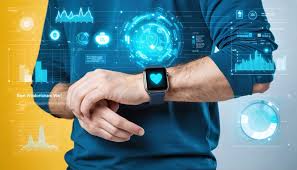
Smart wearables have become an essential part of modern life, and in 2025, they are more advanced than ever. From tracking vital signs to predicting potential health issues, wearable technology is transforming the way people manage their wellness. These devices are no longer just simple fitness trackers—they are smart health companions that support daily life in meaningful ways.
1. Real-Time Health Monitoring
Today’s wearables can monitor key health metrics such as heart rate, blood oxygen levels, breathing patterns, temperature changes, and even stress signals. With improved sensors and AI integration, users receive more accurate and detailed insights than ever before.
Real-time monitoring helps people identify unusual changes early and seek medical advice before problems grow.
2. Advanced Sleep Tracking
Quality sleep is essential for good health, and modern wearables can analyze deep sleep, REM cycles, and nighttime movements. In 2025, these devices offer personalized sleep coaching, suggesting routines and habits that help users improve rest and wake up more refreshed.
3. Early Detection of Health Risks
Using artificial intelligence, smart wearables can now identify patterns that may signal potential health risks. For example, irregular heart rhythms, sudden drops in oxygen levels, or high stress indicators can alert users instantly. Some devices can even share emergency data with medical professionals when needed.
4. Personalized Fitness and Activity Guidance
Fitness tracking is still one of the most popular features of smart wearables. However, 2025 devices go beyond simple step counts. They analyze workout intensity, recommend personalized exercise plans, and track progress in real time. AI-based coaching helps users stay motivated and reach their goals more effectively.
5. Mental Wellness Support
Stress management has become a priority in wearable technology. Many devices now include features such as guided breathing exercises, mood tracking, and notifications when stress levels rise. By providing instant feedback, wearables help users take quick actions to calm the mind and regain focus.
6. Integration With Smart Homes and Daily Life
Wearables in 2025 are more connected than ever. They can sync with smart home systems, reminding users to drink water, take breaks, or adjust lighting for better mood and productivity. They can also automate daily routines based on health data, creating a healthier living environment.
7. Enhanced Safety Features
Safety is another powerful addition to modern wearables. Many devices offer fall detection, emergency SOS calls, and GPS location sharing. These features are especially helpful for elderly users, travelers, or outdoor enthusiasts. Some smartwatches can even detect car accidents and contact local emergency services.
Conclusion
Smart wearables in 2025 play a vital role in improving overall health and wellness. With advanced monitoring, personalized guidance, mental health support, and safety features, they empower people to take control of their well-being. As technology continues to evolve, these devices will become even more intelligent, helping millions live healthier and more connected lives.